
Wood Rot vs. Mold: What’s The Difference?
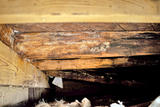
Have you observed any unusual changes in your house, such as damp odors or uneven flooring? You might be concerned about the possibility of mold growth or wood rot in your home.
Wood rot and mold have similarities, but they’re not the same malignant force working against your home. Instead, wood rot and mold have different targets and varying effects on your home’s structural integrity.
This article explains wood rot vs. mold, their origins, and signs. We’ll also discuss their potential effects on your home and how local crawl space professionals can assist you in maintaining a safe and healthy living environment.
All About Wood Rot

Wood rot is caused by a fungus known as Serpula lacrymans. This fungus enters your home via your HVAC system and travels on the air currents that spread throughout your home. Wood rot does not spread from surface to surface in your crawl space or foundation; as the name suggests, this fungus will only target your wooden supports.
Don’t think you can rest easy, though. Wood rot is voracious. While the spores must go through an incubation period before growing, they can tear through your supports once they take root. All they need to thrive is warmth and water. If you’re dealing with structural damage throughout your home, wood rot can be a problem that’s difficult to get rid of.
Wood Rot Damage Around Your Home
Getting rid of wood rot can be challenging if you don’t have experience working with its brand of destruction. That’s why contacting repair professionals is best if you suspect fungus presence in your home.
There are ways to prevent wood rot from settling into wooden supports. Waterproofing your home, for example, is never a bad idea. When you waterproof your home, you deprive wood rot of one of the nutrients it needs to survive. In turn, any spores that make their way into your home can’t take root.
All About Mold
Crawl space mold comes in various forms, with several types that can become a nuisance in your home. These include:

- Allergenic: Allergenic molds can worsen existing allergies and cause new allergic reactions in people who previously showed no symptoms.
- Pathogenic: Pathogenic molds worsen existing medical conditions by irritating the immune system.
- Toxigenic: Toxigenic molds, like black mold, cause respiratory problems in those with pre-existing conditions and those with no history of respiratory problems.
Mold does not enter the home via wall or foundation cracks. Instead, mold spores infiltrate through HVAC systems. When these spores settle, the moisture from cracks throughout the house can make mold more dangerous.
How Mold Damage Affects Your Home
Unlike wood rot, mold doesn’t pose an immediate threat to the overall structural integrity of wooden supports. It can, however, grow on porous material. Monitor drywall, fabrics, and other materials that have experienced water damage. Moisture provides mold spores the nutrients they need to thrive.
Mold can do more than damage your belongings, though. It also causes severe health conditions to those exposed to it. Some of the most common health conditions mold causes include:
- Difficulty breathing
- Coughing
- Asthma in younger children
- Congestion
- Wheezing
- Itching eyes and/or skin
Different mold types have varying health effects. You may need to visit your healthcare provider if you experience difficulty breathing or engaging in daily tasks.
How to Protect Your Home from Damage
Because wood rot and mold pose unique challenges, it’s never a good idea to remove them without help. They should be addressed by a specialized mold remediation expert.
Nevertheless, after a free assessment by an Ohio Basement Authority specialist, you’ll receive a customized repair quote outlining moisture control strategies. Our suggested crawl space encapsulation solutions may include:
- Interior crawl space drainage
- Drainage matting
- Sump pumps
- Vapor barriers
- Dehumidifiers
These solutions offer comprehensive crawl space defense and foster an environment that inhibits mold growth and wood rot when implemented together.
Address Crawl Space Issues Today!
Your crawl space can pose significant risks, particularly when affected by wood rot or mold growth. Don’t jeopardize your well-being or that of your loved ones. Rely on Ohio Basement Authority’s local crawl space encapsulation specialists for a comprehensive evaluation and tailored remediation plans.
You deserve a safe, secure, and healthy living space, and we’re here to help you achieve it. Contact us today to schedule a free inspection and receive a personalized repair estimate.
Wood Rot and Mold FAQs
Left untreated, wood rot worsens, spreads, attracts wood-boring pests, and leads to sagging floors and structural damage. This compromises your home’s health and structural integrity. Contacting crawl space professionals like Ohio Basement Authority at the first sign of trouble is crucial. We promptly evaluate your crawl space during a free inspection and recommend customized repair solutions.
Costs vary based on the extent of the damage, whether the wood needs to be replaced, and other necessary repairs. You will receive an accurate breakdown of the costs during a free inspection with one of Ohio Basement Authority’s experts. We also provide no-obligation repair estimates, transparent pricing, and various financing options.
DIY solutions often address only surface issues, neglecting underlying moisture problems. Enlist the help of a mold remediation specialist immediately. Contact Ohio Basement Authority for a free inspection and comprehensive moisture management fix.

Holly Richards-Purpura
Related Resources
Publish Date:
Last Modified Date:
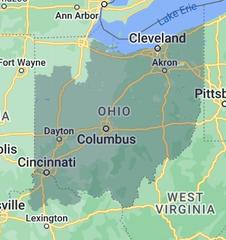
Our Locations
429 Portage Blvd
Kent, OH 44240
1270 Hillsmith Dr.
Cincinnati, OH 45215
7950 Bavaria Rd.
Twinsburg, OH 44087
2421 McGaw Rd.
Obetz, OH 43207
70 Birch Alley, Suite 240
Beavercreek, OH, 45440
5650 Blazer Memorial Pkwy, #124
Dublin, OH 43017