
Crawl Space Encapsulation: What It Is, How It’s Done, & Its Benefits


When it comes to protecting your crawl space, nothing works like encapsulation. Homeowners who have used it can attest to the positive changes they have experienced. From cutting down moisture levels to preventing mold growth, crawl space encapsulation can improve the air quality in your home and restore your home’s value.
Read on and find out all you can about crawl space encapsulation and the many benefits that come with it.
What is Crawl Space Encapsulation?
Crawl space encapsulation refers to all the measures taken to keep the crawl space dry and clean. The process involves many things, including sealing, insulation, and conditioning. In some cases, external waterproofing may be done to keep floodwaters out of this space.
In the next section, we’ll look at the specific steps.
The 5 Steps of Encapsulating a Home
While our friends over at Groundworks get nitty gritty with 10 detailed steps, we’ll boil it down in this article to just 5.
While the procedure may vary slightly among contractors, the basic steps go like this:
- Preparation of crawl space: Your contractor will send technicians to clean up the crawl space. They will remove all debris and objects that may puncture the insulation and dispose of it properly.
- Installing vapor barriers: With debris and unwanted objects out of the way, the walls are covered with a transparent cross-laminated polyethylene vapor barrier from the top down, then fastened mechanically and sealed with adhesive.
- Installing insulation: Next up, the contractor insulates the foundation walls and joists using thick, rigid polystyrene-graphite panels, about 2 inches thick. This thickness ensures the insulation is durable and can handle rough treatment, making it ideal for situations like termite inspections and repairs.
- Installing Insulation and Sealing Vents: Technicians will first seal all vents to prevent outside air from entering, ensuring the space remains dry and insulated.
- Conditioning the crawl space air: With the crawl space insulated and isolated from the outside, the final step is to condition the air inside this envelope. The contractor may exhaust air from this space first and then install a dehumidifier.
In case the crawl space is in a state of disrepair or infested with mold, remediation, and necessary crawl space repairs have to be done before encapsulation starts.
Why Should I Encapsulate My Crawl Space?
Crawl space encapsulation offers many benefits for homeowners. Let’s look at the major ones:
1. Discourage Pest Intrusion
Damp and dark crawl spaces are instant magnets for insects and pests like termites and mice. When they come, you can be sure they will eat up your belongings, especially wood and clothing. Crawl space encapsulation makes your home less inviting to these unwanted guests.
2. Stop Mold and Mildew
A damp crawl space doesn’t just attract pests; it’s also the perfect spot for mold to grow. Mold can cause allergies and breathing problems. Even if you can’t see the mold, it could still be there, growing unseen as long as the area is moist. Encapsulation gets rid of the moisture and stops mold in its tracks.
3. Save on Repairs
Mold, pests, and water damage can ruin the wooden parts of your home and weaken its structure. This damage can lead to costly repairs. Why not avoid these problems with encapsulation before they start?
4. Improve Energy-Efficiency
With encapsulation, your home stays warmer in winter and cooler in summer without working your heating and cooling system too hard. This means you can save money on your energy bills.
5. Gain Storage Space
Encapsulation turns a wet and gloomy crawl space into a dry area where you can store extra stuff or things you don’t use often.
Contact Ohio Basement Authority Today

If you’d like to encapsulate your crawl space but don’t know where to start, request a crawl space encapsulation quote first. We will send our technicians to inspect your crawl space and advise you on the next course of action.
Recommended Resources

Holly Richards-Purpura
Publish Date:
Last Modified Date:
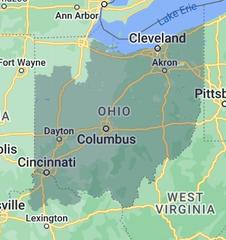
Our Locations
429 Portage Blvd
Kent, OH 44240
1270 Hillsmith Dr.
Cincinnati, OH 45215
7950 Bavaria Rd.
Twinsburg, OH 44087
2421 McGaw Rd.
Obetz, OH 43207
70 Birch Alley, Suite 240
Beavercreek, OH, 45440
5650 Blazer Memorial Pkwy, #124
Dublin, OH 43017