
Have Wet Clay Soil Under Your Home? Read This First!
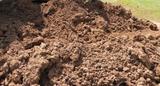
Most people don’t know that clay soil can severely damage a home’s foundation, especially in wet conditions. Clay soil expands when it absorbs water and shrinks when it dries out.
This cycle of swelling and shrinkage has a damaging effect on your property. If your home is built on clay soil, this page will help you understand what you can do to protect your home.
Understanding Why Clay Soil Expands
Clay soils have minerals that can bond water within their structure and expand. In addition, they carry a negative charge and can bond molecules of water. This soil type also has the largest spore space. It’s these properties that enable clay to absorb water and expand in volume until it gets saturated.
While clay soils can hold water, only half of it is available to plants and crops. The more the soil gets wet, the more it loses its ability to hold your home’s foundation. It’s similar to what happens when you walk across a soggy lawn. Your feet will sink right into the mud.
Why is Clay Soil Under the Foundation Damp?
There are two reasons the foundation soils are getting wet. One is the heavy rainfall that saturates the soil. Clay soil will hold a lot of this water and will start softening. This makes the foundation soil weak and leads to foundation shift.
The other reason is poor drainage. Water will collect around the foundation if it has nowhere to go. It will dampen the soil directly around and underneath your home and can lead to serious foundation problems.
We encourage you to perform biannual checks from the inside out to get a clear picture of the situation around your home’s foundation. A foundation contractor with years of experience can do a thorough evaluation and tell you what’s ailing your foundation.
Is Damp Clay Soil Dangerous?
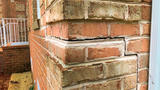
Clay soil tends to expand when it gets wet. The swelling soils can produce an upward force of 5,000 pounds per square foot. Such a tremendous force can easily push the foundation out of its level, leading to structural damage. It’s not uncommon for the expansive soil to displace the foundation by six to eight inches.
As well as causing structural problems, damp clay soil can make your foundation less stable and compromise the structural integrity of your house. You can see an example of damage caused by damp clay soil in the image.
Ways to Prevent Wet Clay Soil
Every foundation incident that has water as its root cause needs urgent attention. Delay the issue and you could be staring at serious damage and costly repairs. Here are several measures you can implement to control the soil moisture content and its effects around your home.
- Correct a negative slope on your yard so water flows out and away from your home.
- Maintain your gutters and downspouts so they can channel water from the roof far away from your home’s foundation.
- Ensure the closest tree stands at least 10 feet from your home.
- Control watering and irrigation of plants next to the foundation.
- Make sure no neighbor drains water to your property.
- Install an exterior drainage system around your home.
- Make sure your AC unit’s condensation line discharges away from the foundation.
- Don’t overwatering the lawn in dry weather.
Protect Your Foundation With Ohio Basement Authority

Do you suspect that wet clay soil is behind your foundation issues or cracks? Contact the foundation repair experts at Ohio Basement Authority for a free inspection and repair quote. We’ll assess the foundation for signs of structural damage then apply the best fix to your situation.
FAQs
Signs that your property may have expansive clay soil include doors or windows that stick or won’t close properly; visible cracks in walls, floors, or the foundation itself; and uneven or sloping floors. If you notice these issues, it might be due to the expanding and contracting nature of the clay soil beneath your home.
Replacing expansive clay soil is often impractical and expensive, but it can be treated to reduce its expansiveness. Methods include mixing in non-expansive soils, using chemical stabilizers, or installing moisture barriers.
An annual inspection by a qualified foundation specialist is recommended to identify and address any potential issues early, preventing more severe damage and costly repairs in the future.

Holly Richards-Purpura
Publish Date:
Last Modified Date:
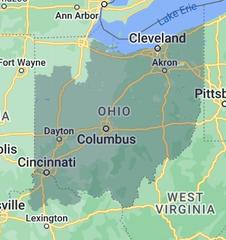
Our Locations
429 Portage Blvd
Kent, OH 44240
1270 Hillsmith Dr.
Cincinnati, OH 45215
7950 Bavaria Rd.
Twinsburg, OH 44087
2421 McGaw Rd.
Obetz, OH 43207
70 Birch Alley, Suite 240
Beavercreek, OH, 45440
5650 Blazer Memorial Pkwy, #124
Dublin, OH 43017