
When to Worry About Bug Feces or Mold
Caring for your home can be a complicated endeavor. If, for example, you don’t check the seals on your doors and windows regularly, you may find yourself dealing with several unwanted insect invaders. There’s a difference between the spiders who make their way into your home and the insects that can risk your home’s structural integrity.
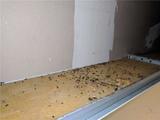
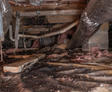
One way to determine whether you have insects in your home is to look for their feces. Unfortunately, to the untrained eye, bug feces often look like mold. Mold is its own problem once it gets into your home.
In this post, we discuss how you can tell mold and bug feces apart and how to address each issue to protect your home.
What Kinds of Bugs Can Get into Your Home?
As mentioned, there are a few different types of bugs that can get into your home. Ladybugs and spiders, however, are not immediate structural threats. Instead, the bugs you most want to be worried about include:
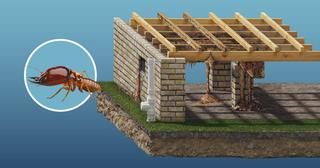
- Termites
- Wood-boring beetles
- Carpenter ants
- Carpenter bees
- Cockroaches
- Camelback crickets
Should You Be Concerned About Bug Feces?
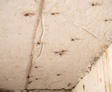
Bug feces has a few defining features. For starters, it has a smooth texture and forms small, circular pellets.
Bug feces do not cluster together but appear in the same general space. If you notice strange black dots on the ceiling, you may be dealing with an infestation instead of a black mold growth, which, at first glance, may have a similar appearance.
Finally, bug feces remain consistent in color, usually black or brown. Mold appears in various colors.
The concern related to bug feces is not the feces itself, though it is less than pleasant. Instead, feces may indicate an infestation. Bug infestations—especially when contending with termites, carpenter ants, and similar invaders—are problematic for your home’s overall structural integrity. These critters quickly damage structural supports, compromising comfort and safety.
Why Should You Be Concerned About Mold?
There’s no single type of mold that likes to invade your home. Instead, you’re likely to find yourself dealing with a mold that falls into one of the following categories:
- Allergenic
- Pathogenic
- Toxigenic
While these molds have different impacts on the health of your home, they all tend to cause respiratory problems in those exposed to them. Your family doesn’t need to have a history of allergies or respiratory conditions when mold is present; mold growth causes these conditions, especially if it’s allowed to linger.
The complexity of mold as a home invader doesn’t stop there. It’s not easy to identify mold after it moves into your home. Here are a few distinguishing traits between mold families, including:
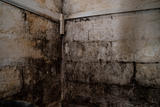
- Coloration: Mold colors vary from green to black to pink. This variation helps distinguish it from bug feces.
- Texture: Mold is often fuzzy, like moss. The area also tends to be damp.
- Growth Pattern: Mold often clusters together in clumps until firmly settled. More significant growth may spread throughout the entire square footage of your home.
Mold has a dual effect on your home. It can cause your family members to start developing respiratory problems, even if they don’t have a history that might lead to the development of said conditions. Mold can also negatively impact the value of your home.
Mold tends to appear in homes that are currently dealing with water damage. That water damage—and the mold—can weaken your walls, floors, and structural supports to the point where they’re no longer safe. If you try to sell a home without repairing this kind of damage, you might get less than 70 percent of your house’s market value when you do.
How Local Experts Protect Your Home
Whether dealing with mold or insects, there’s no need to repair the damage alone. Instead, if you suspect something’s gone wrong, contact professionals. It’s important to know who can tackle what:
Pest Control Professionals
Exterminators actively address pests by applying pesticides, traps, and other treatments. Once an infestation is under control, you can tackle further preventative efforts.
Mold Remediation Specialists
Mold is also in a league of its own. DIY removal can be hazardous and ineffective, so it’s best to trust professionals for the proper removal and treatment.
Basement & Crawl Space Experts
Ensure your home doesn’t become a favorable environment for pests or mold. Local basement waterproofing and crawl space encapsulation specialists like Ohio Basement Authority install moisture management solutions that prevent mold, detract pests, and make it more difficult for them to enter your home.
For example, our drainage systems and dehumidifiers—designed specifically for basements and crawl spaces—ensure dry interior environments and control humidity levels where mold is less likely to grow and pests are less attracted. Additionally, our exclusive crawl space vapor barrier and insulation panels are thick and durable, and the insulation is treated to resist termites and mold growth.
If you’re unsure how to address these issues, contact Ohio Basement Authority for assistance. We’ll help steer you in the right direction.
Trust Local Experts to Protect Your Home
Mold, moisture, and pests affect your home’s safety, and it’s important to deal with each one properly. While home repair experts cannot help you remove insects or mold from your home, they’re masters at ridding your basement, crawl space, and foundation of related damage.
You can count on Ohio Basement Authority to thoroughly inspect your home and recommend customized solutions to meet your individual repair needs and budget. Contact us today to schedule a free inspection and obtain a no-obligation repair quote on the services you need to take back your home.
FAQs
No, we are not licensed exterminators. We recommend contacting a pest control specialist for extermination, but we provide solutions to deter pests. These include moisture management, dehumidification, and encapsulation. Contact us to learn more about our crawl space services and to schedule a free inspection.
DIY solutions often address only surface issues, neglecting underlying moisture problems. Enlist the help of a mold remediation specialist immediately. Contact Ohio Basement Authority for a free inspection and comprehensive moisture management fix.
Maintaining humidity levels between 40 and 50 percent is crucial for a safe and healthy home. Lower levels create dry air and respiratory problems, and higher levels lead to mold growth and other moisture issues. A professional crawl space dehumidifier, coupled with additional waterproofing and encapsulation methods, is essential. Contact Ohio Basement Authority for a free inspection and estimate.
Related Resources

Holly Richards-Purpura
Publish Date:
Last Modified Date:
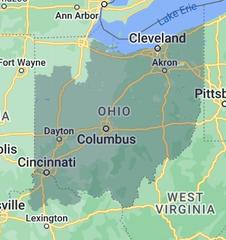
Our Locations
429 Portage Blvd
Kent, OH 44240
1270 Hillsmith Dr.
Cincinnati, OH 45215
7950 Bavaria Rd.
Twinsburg, OH 44087
2421 McGaw Rd.
Obetz, OH 43207
70 Birch Alley, Suite 240
Beavercreek, OH, 45440
5650 Blazer Memorial Pkwy, #124
Dublin, OH 43017