
How to Waterproof Concrete Walls: Dos and Don’ts
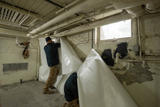
Many people enjoy using their basements as extra living space. Others avoid this area because they are afraid of what might be lurking down there – mold, bugs, nasty smells, water, and water damage.
Water is your basement’s #1 enemy. Whether it’s in the form of liquid or vapor, water can wreak havoc on your home.
One of the most common ways moisture gets into your basement is through concrete walls. Therefore, waterproofing concrete walls is an important piece of a moisture management system in your basement.
Here, we’ll cover the dos and don’ts of waterproofing your basement’s walls and how our team can help with a lasting solution.
Why Your Basement Walls Are Leaking
First, let’s cover the top three reasons why water is leaking into your basement through the walls.
1. Ineffective Dampproofing and Footing Drains
When your house was built, measures such as tar coating and footing drains were implemented on the exterior walls to prevent water from entering the basement. However, it’s important to note that dampproofing only slows down the flow of water vapor, and it doesn’t eliminate the risk of leaks or flooding.
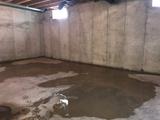
Over time, dampproofing deteriorates and footing drains can become clogged or damaged. This leaves your basement vulnerable to water leaks, especially in the cove joint (where the wall and floor meet), which you can see here.
2. The Clay Bowl Effect and Hydrostatic Pressure
Once your home’s foundation and walls are in place, backfilled soil creates a problematic “clay bowl” effect, along with an artificial water table.
Unfortunately, the backfilled soil – particularly if it contains clay – holds onto water. When this soil expands during intense rainfall or snowmelt, it exerts pressure on the walls and leads to cracking, inward bowing, and unwanted leaks.
3. Porous Concrete Basement Walls
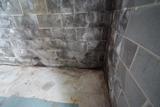
Concrete is a popular building material because of its strength, durability, and longevity. While it is reliable and robust, it has one major flaw: its porosity.
With its network of capillary holes and tiny pores, water easily seeps through the walls, causing troublesome leaks.
The Dos and Don’ts of Waterproofing Concrete Basement Walls
Waterproofing or covering concrete basement walls is a crucial step in ensuring a dry basement. However, it can be tricky.
Don’t…
We’re starting this list with the don’ts and what not to do, as these methods have been attempted and failed to work properly for many homeowners.
- Dig and Reapply Dampproofing: Excavating to the footing to reapply dampproofing or install new drainage pipe is a costly and time-consuming approach that requires significant restoration work. Additionally, the dampproofing coating will deteriorate once more, and there is a risk of drainage pipes becoming blocked.
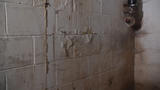
- Paint or Seal Walls: Many products marketed as waterproof paints or sealants for interior basement wall waterproofing claim to effectively prevent water infiltration. However, they are only temporary, fail to address the root causes of the issues, and are prone to becoming brittle and compromised by lingering moisture. As you can see here, the paint on the wall is starting to bubble and flake off.
- Install Other DIY Solutions: Like the quick fixes mentioned above, most other DIY solutions readily available at big box stores only mask the cosmetic appearance of the problem, are not long-term fixes, and would require constant purchase and reapplication.
Do…
Now, here’s a look at how you should approach sealing basement walls.

- Hire a Professional Installer: Instead of worrying about taking on the project yourself, it’s best to leave any basement waterproofing project to trained professionals. But don’t settle or compromise on quality and experience.
- Research Basement Waterproofing Companies: Like DIY solutions, it’s tempting to opt for the first available handyman you come across. However, not all contractors are experienced in properly waterproofing basements and sealing concrete walls. Be thorough as you search for a trusted local professional, checking for reviews and other credentials.
- Contact Ohio Basement Authority: Our team at Ohio Basement Authority has been waterproofing basements for nearly 15 years. As homeowners ourselves, we understand how frustrating basement problems can be to deal with. We also know how to handle these common issues and install the best solutions customized to fit each basement’s unique repair needs. Contact us today, and we’ll provide you with a free and thorough home inspection, repair recommendations, and a free, no-obligation estimate.
The Best Concrete Wall Solution: A Vapor Barrier
At Ohio Basement Authority, we use a professionally manufactured and installed vapor barrier liner on basement walls to effectively deal with leaking issues. This barrier – along with an interior drainage system, sump pumps, and dehumidifiers – is an integral component of a comprehensive basement waterproofing solution.
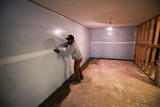
Wall Vapor Barrier Benefits
Some qualities that set our wall vapor barrier apart include:
- High-quality 12-mil thick plastic barrier
- Waterproof material
- Mold-resistant
- Lasting solution with a lifespan up to 20 years or more
- Stops vapor intrusion through porous concrete walls
- Compatible with other waterproofing and repair solutions
More on Vapor Barriers
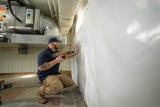
If your basement walls are plagued by wetness, leaks, or unsightly efflorescence, don’t let these issues dampen your spirits. Our wall vapor barrier is the ultimate solution to keep your basement dry and mold-free.
When our vapor barrier is installed, any pesky seeping water will be redirected behind the material and into the reliable interior drainage system. Our trusty sump pump will efficiently remove the water from your home, giving you peace of mind.
If your basement walls are showing signs of cracking or bowing inward, our foundation repair solutions – including reinforcing carbon fiber straps or wall anchors – can be seamlessly integrated with the wall vapor barrier.
Once our expert team permanently fastens the vapor barrier to all your basement walls and installs the necessary components, you can enjoy a dry basement with a full warranty.
Say goodbye to wet walls and hello to a dry, comfortable basement with our top-of-the-line wall vapor barrier. Trust us to deliver long-lasting results that will keep your space free from moisture issues for years to come.
Trust Ohio Basement Authority for Your Basement Waterproofing Needs
Are wet basement walls causing problems for your home? Don’t settle for temporary fixes. Trust the experts at Ohio Basement Authority for a long-lasting solution.
Our knowledgeable team will accurately diagnose your basement issues and recommend the best solution, including effective wall vapor barriers.
Don’t compromise the safety, value, and appearance of your basement. Contact us today to schedule your free inspection and estimate. We’re here to secure the health of your leaky basement.

Holly Richards-Purpura
Publish Date:
Last Modified Date:
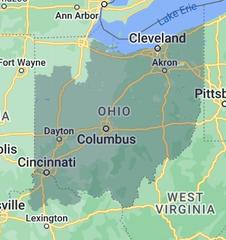
Our Locations
429 Portage Blvd
Kent, OH 44240
1270 Hillsmith Dr.
Cincinnati, OH 45215
7950 Bavaria Rd.
Twinsburg, OH 44087
2421 McGaw Rd.
Obetz, OH 43207
70 Birch Alley, Suite 240
Beavercreek, OH, 45440
5650 Blazer Memorial Pkwy, #124
Dublin, OH 43017