
The Truth About Sump Pits: Common Myths & Major Advantages
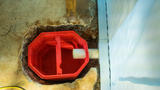
Sump pumps are your home’s lifeline when it comes to addressing water leaks and flooding. They are crucial basement waterproofing components, actively removing water to prevent additional problems. However, misconceptions about their installation, particularly regarding sump pits, often discourage homeowners from implementing this solution.
This guide dispels these misunderstandings and emphasizes the importance of a sump pump system as part of a comprehensive basement waterproofing solution.
Understanding the Sump Pit
A sump pit is a crucial element of the sump pump system. It is a collection point for excess water, typically located at the basement’s lowest point. The system operates on a simple principle: when water in the pit reaches a certain level, it triggers the pump to activate. The pump then expels the water through a discharge pipe, directing it away from your home’s foundation.
This process is essential for preventing water damage, especially during heavy rain or snowmelt periods. Here’s an overview of the installation process:
- Identify the basement’s lowest point and excavate a hole in the basement floor.
- Insert a sump liner or basin
- Place pumps within the liner and set up internal components
- Link interior drainage pipes to the liner
- Seal the liner with an airtight cover
By understanding the importance of each component, including the sump pit, homeowners can make informed decisions about protecting their basements from water damage.
Debunking 4 Common Sump Pit Misconceptions
Let’s address some prevalent misunderstandings about sump pits that often deter homeowners:
1. Space Consumption Myth
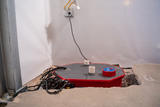
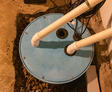
Contrary to popular belief, sump pump systems are designed for efficiency and minimal space usage. The pit is a small hole in the basement floor, with the pump nestled inside. Once installed, only the lid and interior pipes are visible. These systems can be accommodated even in compact basements without sacrificing significant floor space.
2. Complexity Myth
While sump pump systems may seem intricate, their design is quite simple. The system comprises three main elements: the sump pit (water collector), the pump (water expeller), and a discharge pipe (water redirector). The pit collects excess water, and when levels rise sufficiently, the pump activates, channeling water through the discharge line to a designated drainage area.
3. Necessity Myth
The sump pit is crucial for the pump’s effective operation. It houses a float switch that activates the pump when water levels rise. Without this pit, the pump would lack a means to detect rising water and a reservoir to remove excess moisture. For optimal waterproofing, professional installers, such as those from Ohio Basement Authority, can ensure the pit and pump are appropriately sized and positioned for your specific basement conditions.
4. Reliability Myth
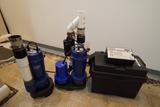
Some homeowners worry about potential sump pit failures. However, these systems are highly reliable when proper precautions are taken. Professional installation, correct pit sizing, regular maintenance, and backup power sources can prevent most issues. Many quality sump pumps come with battery backups and warranties for added assurance. When properly installed and maintained, system failures are rare.
Understanding these facts helps homeowners decide about implementing sump pit systems for effective basement waterproofing.
Top 3 Benefits of Integrated Sump Pump and Pit Systems
Incorporating a sump pump system with a properly designed pit offers several key benefits, including:
- Property Value Protection: This system safeguards against water damage, helping maintain your home’s structural integrity and market value.
- Enhanced Indoor Environment: Controlling moisture levels with waterproofing systems discourages mold growth and pest infestations, contributing to a healthier living space.
- Flood Risk Reduction: The system effectively minimizes the potential for water-related damage in your basement, thus protecting your home’s foundation.
Get Trusted Sump Pump Help from Ohio Basement Authority Today!
For expert basement waterproofing solutions, including professional sump pit and pump installations, don’t hesitate to contact Ohio Basement Authority. Our experienced team specializes in comprehensively addressing wet basement issues.
Partner with our specialists to protect your basement from water damage and preserve your home’s condition. To get started, contact us today for a free inspection and a no-obligation estimate for repairs.
Sump Pump and Pit FAQs
Although a skilled DIY enthusiast might be able to install a sump pit and pump, professional assistance is best. Proper installation requires understanding your home’s foundation, complying with local building regulations, and performing excavation and plumbing tasks competently.
A cover for your sump pump pit is extremely beneficial. It prevents debris from entering, reduces noise and odors, and improves safety, particularly in homes with young children or pets.
Annual cleaning of your sump pit is recommended at a minimum. This practice removes accumulated debris, sediment, or other materials that could potentially obstruct the pump. Regular maintenance completed by professionals ensures efficient pump operation and prolongs its useful life.

Holly Richards-Purpura
Related Resources

Publish Date:
Last Modified Date:

Our Locations
429 Portage Blvd
Kent, OH 44240
1270 Hillsmith Dr.
Cincinnati, OH 45215
7950 Bavaria Rd.
Twinsburg, OH 44087
2421 McGaw Rd.
Obetz, OH 43207
70 Birch Alley, Suite 240
Beavercreek, OH, 45440
5650 Blazer Memorial Pkwy, #124
Dublin, OH 43017