
Gaps Between the Soil and Your Foundation
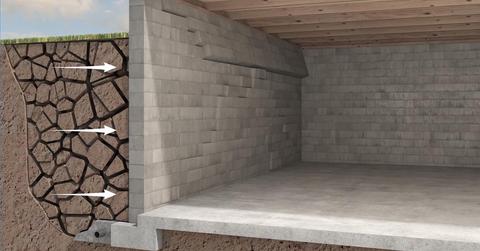
Gaps between the soil and your home’s foundation are signs of a deeper problem. Most homeowners are aware that heavy rainfall and flooding present a real danger to their homes and foundational security. What is less commonly understood, however, is the damage drought and excessive evaporation can do to your home and foundation. You see, the soil under your foundation is no more exempt from changes in the weather than the soil in your yard; it expands and shrinks with moisture, evaporation, heat, and cold. Some soils react more violently than others, however.
What is Soil Shrinkage?
Soil shrinkage is what occurs when the earth becomes incredibly dry as a result of excessive evaporation. All soils experience shrinkage, but some are more dramatically affected than others. Clay-based or bentonite soils, for example, can shrink incredibly. This often causes huge gaps, cracks, and chasms to open up in the ground. When these gaps and cracks open up in your yard, they can cause damage to your driveway and lawn and generally look unseemly. When they open up in the soil under your home, however, they can cause huge problems, the most pressing of which is called settlement.
What is Foundation Settlement?
Foundation settlement occurs when the soil under your home shrinks and cracks and gravity presses your foundation down into the spaces left. This can cause cracks in your foundation and basement floor as well as cracks in your walls, bowing walls, and rising dampness. Most of the damage from settlement occurs when the soil is soaked once more. The hydrostatic pressure from saturated soil will push water up into your foundation and basement. This can lead to huge problems for your property’s structural integrity and general well-being.
Recognizing Signs of Settlement
You must be able to recognize signs of settlement before they cause severe instability in your home’s structure. The most common signs of settlement are:
- Cracks or chasms in your lawn and driveway
- Sticking doors
- Cracks in your walls and floors
- Uneven or sagging floors
- Bowing walls
These are the most common signs of settlement, but they are also problems in and of themselves. They can feed into each other and cause a vicious cycle that ultimately undermines your home and causes long-term structural damage that needs costly and lengthy repair.
Preventing Excessive Evaporation
There’s nothing you can do to prevent a drought from taking root any more than you can prevent rainfall, of course, but you can prevent excessive evaporation just as you can prevent flooding. Exterior drainage systems are just one of the many options you have; they can be used to funnel water into the right places. Whether this means funneling water away into the street or pushing it into overflows, it’s better than it pooling by your home.
Choosing an efficient sprinkler system, however, is one of the most effective ways you can control the moisture levels in the soil around your home. Better yet, water-efficient sprinklers are often allowed after garden hose bans have been put in place. Constant moisture regulation in the soil is the best way to prevent excessive evaporation and shrinkage in the soil under your home.
Finally, you should consider how clever landscaping can help you. Planting the right mix of vegetation in your garden can regulate moisture in your soil and keep it together by creating a complex web of roots. Depending on how and where you place them, you can keep your foundation from flooding and provide stability.
Protect Your Home with Help from Local Experts
If you are worried that you might be seeing signs of settlement in your home, it’s time to call in a professional. Our team at Ohio Basement Authority is skilled, experienced, and equipped to make sure your basement and foundation are healthy and strong. We offer free consultation appointments so you can get all the information you need about the state of your home, the potential solutions, the time to implement those solutions, and the costs associated with them.

Holly Richards-Purpura
Publish Date:
Last Modified Date:
Our Locations
429 Portage Blvd
Kent, OH 44240
1270 Hillsmith Dr.
Cincinnati, OH 45215
7950 Bavaria Rd.
Twinsburg, OH 44087
2421 McGaw Rd.
Obetz, OH 43207
70 Birch Alley, Suite 240
Beavercreek, OH, 45440
5650 Blazer Memorial Pkwy, #124
Dublin, OH 43017