
Crawl Space Ventilation: To Vent or Not?
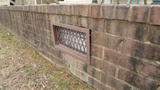
Crawl space ventilation is still one of the most debated subjects in the U.S. construction industry and for good reasons.
Crawl space vents were intended to “air out” this area under your house, but studies show they do more harm than good, leading to issues that significantly affect your home’s health and safety.
In this article, we explain the history of crawl space vents, the problems they cause, and how to create a safer and healthier home for your family.
The History of Crawl Space Vents
Longtime building practice since about the 1930s called for ground covers to be applied alongside ventilation to promote good airflow and dry the crawl space. In fact, many building codes recommended that each crawl space have a minimum of four vents to the outdoors.
More recent studies showed that these vents were causing significant air movement from the crawl space into the living areas above it. This is because of the stack effect, the natural movement of air from bottom to top.
Overall, crawl space ventilation did not help promote good airflow. Instead, it led to higher moisture content and toxic gasses, triggering severe structural damage and health hazards.
What Happens with Crawl Space Ventilation
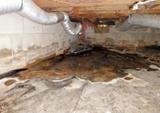
If your home has a crawl space with open vents, here’s a look at what happens with airflow and how it affects your home:
- Humid outdoor air enters your home.
- This air mixes with cooler crawl space air.
- This leads to condensation and moisture deposits on walls, floors, and insulation.
- High moisture results in wood rot and mold growth.
- These issues compromise your home’s structural integrity.
- Radon gas levels double, entering the living areas and creating toxic gas exposure.
For these reasons, experts no longer advocate for crawl space venting, except in unique circumstances.
Sources of Air Leaks in the Crawl Space
Studies show that temperature differences significantly lift air from the crawl space into the living areas of a building. Additionally, the openings around plumbing, wiring, and vents produce significant air leakage and movement in structures. Other sources of air leaks include:
- The junction of the floor/ceiling with the external wall
- The area where the separating walls and the external wall meet
- Leakage around electrical and plumbing installations
- Leakage around and through doors and windows
4 Ways to Tame Crawl Space Moisture
Conventional practices for moisture control have shifted since the 1930s. Experts have observed that vents in crawl spaces are, in most cases, ineffective. Building experts generally recommend these four best practices for controlling moisture in the crawl space.
1. Stop Air from Entering Your Crawl Space
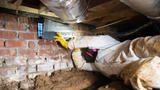
Start converting your crawl space into a conditioned space by sealing off vents. Along with professionally installed vent covers, totally blocking off the vent space creates an airtight seal. For example, our team at Ohio Basement Authority cuts blocks of our foam board insulation, custom-fits them into the interior vent openings and seals them into place.
2. Address Moisture Sources
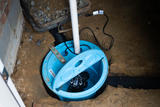
About 90% of all inspections on moldy crawl spaces found that gutter and downspout leaks were the leading cause of crawl space moisture. This, combined with an in-slope grade of the yard, concentrated water against your foundation walls. Check and repair leaking gutters, properly grade your yard, and direct downspouts away from your home. Investing in waterproofing solutions such as an interior drainage system and a sump pump to keep the crawl space dry is also a good idea.
3. Encapsulate Your Crawl Space
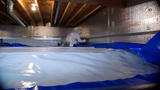
Crawl space encapsulation entails installing a 20-mil polyethylene vapor barrier over your crawl space floor and the lower crawl space walls. The vapor barrier goes around obstacles like beams and is taped down at the seams. This isolates the crawl space from the outside, where most of the moist air and mold originate. In fact, updated building codes reflect the need for encapsulation in an unvented crawl space.
4. Invest in Regular Crawl Space Maintenance
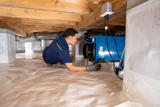
Finally, inspect your crawl space at least once yearly to confirm that it is as safe and clean as possible. Carefully examine this area for traces of mold, pest droppings, and water. Also, check to see that the vapor barrier is in good working condition. It’s a good idea to conduct regular inspections and maintenance with the help of local crawl space repair experts.
Top 4 Benefits of Sealing Crawl Space Vents
Closing off the vents in your crawl space and conditioning it can be beneficial in many ways:
- Deters deter condensation, mold growth, and pests
- Heating costs could go down by about 15%
- Indoor air quality will improve
- Your crawl space will remain dry and comfortable all year round
Ohio Basement Authority Can Fix Your Crawl Space!

As you can see, sealing crawl space vents and encapsulating this area under your house is the way to go. Temporary DIY solutions won’t last. Protect your home and family today with trusted professional crawl space encapsulation services.
If you are battling crawl space moisture, contact the experts at Ohio Basement Authority for a free crawl space inspection and repair quote. We will thoroughly inspect your crawl space and customize the best solutions for your needs.
Crawl Space FAQs
While it’s possible to cover crawl space vents on your own, professional services ensure a comprehensive and long-lasting solution. Ohio Basement Authority’s process involves fully waterproofing and encapsulating the crawl space, not just sealing or covering the vents. Contact us to learn more and to schedule a free crawl space inspection.
The project duration depends on the size of the crawl space, the extent of existing damage, and the specific solutions installed. Most encapsulation systems require one to three days total to fully install moisture mitigation, insulation, and sealing. Ohio Basement Authority teams work efficiently to ensure complete protection on time. Contact us to learn more and to schedule a free inspection.
The price varies based on the severity of the damage, the size of the crawl space, and the needed repairs. During a free crawl space inspection with an Ohio Basement Authority expert, we recommend tailored solutions and provide an accurate cost breakdown in a no-obligation estimate. We also consider your budget and offer various financing options.
Related Resources


Holly Richards-Purpura
Publish Date:
Last Modified Date:
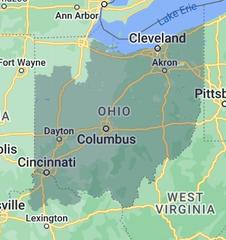
Our Locations
429 Portage Blvd
Kent, OH 44240
1270 Hillsmith Dr.
Cincinnati, OH 45215
7950 Bavaria Rd.
Twinsburg, OH 44087
2421 McGaw Rd.
Obetz, OH 43207
70 Birch Alley, Suite 240
Beavercreek, OH, 45440
5650 Blazer Memorial Pkwy, #124
Dublin, OH 43017