
Living in an Old House? Learn How to Fix Uneven Floor Areas
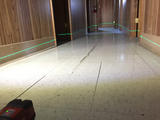
As much as you may love your older house, you may see and feel uneven floor areas—a common occurrence in homes built in the last century.
While it’s easy to view uneven floors in old house as quirks or part of the building’s charm, they can point to larger structural issues beneath the surface. That’s why identifying uneven floors and what causes them is essential for properly repairing and protecting your home.
In this article, we cover common sources of sagging and uneven floors, effective solutions, and how the local foundation repair experts at Ohio Basement Authority can help restore your home and peace of mind.
What Causes Sagging and Uneven Floors in House?
An old home can be described as a house built at least 50 years ago. Homes considered as “antiques” were built before the year 1920. Though sturdy enough to stay put for you, these homes experience lots of wear and tear over the years.
Just as foundations built more recently will creak and settle, older homes do, too. Only they’ve had more time to do so, and the side effects will appear to you at a much more developed stage.
Your sagging, bouncing, uneven floors in old house are likely a result of damaged supports below the floor of your home that are aging and settling. You’ll want to act on this structural issue before it gets worse, or even dangerous. This makes intervention from professionals like Ohio Basement Authority crucial.
4 Things Experts Look for When Inspecting Your Home for An Uneven Floor
If you’re looking for how to fix uneven floor areas, you’re likely already aware of your home’s problematic spots. From the experts’ point of view, here are four areas they inspect to ensure you catch the whole scope of the problem.
1. Failing Support Beams or Jacks
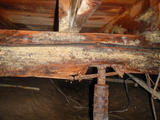
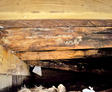
Whether your older home has a basement or crawl space, it likely has support beams or jack posts extending from the floor to the ceiling. One way they test the sturdiness of the beams is to gently press into the wood with a pencil or screwdriver. If the wood crumbles, softens, or molds around the tool, this may be one source of your uneven floor. Metal can also corrode, weaken, and fail to adequately reinforce the floor. Mold, mildew, and wood-eating pests may have threatened the integrity of your support beams, and it’s time for professional repair.
2. Rotting or Drooping Floor Joists
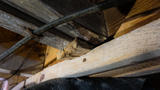
Floor joists should also appear properly installed, without any crumbling, bowing, mold, or improper cuts to fit wiring, ducts, or pipes. In a healthy floor joist, there should be no cuts or penetration near the middle. Any hole made in the joist should be no closer than two inches from the top or bottom of the joist. The wood in floor joists is just as susceptible as other areas of your home to mold and rot. The same test mentioned above can be used to see if the joist crumbles or reacts differently.
3. Excess Moisture
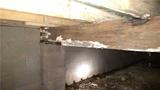
Inspectors also may spot puddles, leaking walls and cove joints, and even water droplets throughout your basement or crawl space. Excess water and humidity can have poor implications on the structural integrity of your older home. As water collects around the structural support beams and floor joists, it weakens the materials and can cause rot or mold. As these issues escalate, they will cause the floors in your home to bow, sag, and become unlevel near the area of the problematic supports.
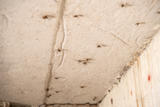
4. Insect Damage
Insects and other pests are drawn to damp, dark areas like basements and crawl spaces. You may notice pests like roaches, rats, crickets, centipedes, earwigs, termites, and more.
Inspectors will also check to see if these pests are present in your basement or crawl space. These creatures indicate larger issues in your home, as mold and moisture make an inviting space for them. Inspectors will check for maze-like cutout patterns in your walls or wooden supports, or small termite tunnels built around and down from wood.
💡 Note:
If you suspect a serious pest problem, especially termites, it’s important to contact pest control, then invest in the proper preventative waterproofing measures.
How to Fix Uneven Floors in an Old House
Once the inspection is finished, it’s important to tackle the issue in a way that will last. Risks of dangerous structural failure are higher with an older home, so we don’t recommend fixing an uneven floor by yourself. When these problems are addressed professionally, here are permanent solutions that structural repair experts could use on your unique home:
Support Jacks
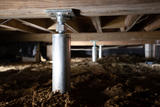
For older homes with crawl spaces, support jacks are typically a go-to that can lift your floor over time.
At Ohio Basement Authority, we use IntelliJack™ support jacks to stabilize and potentially lift your floor. These high-quality support jacks are manufactured with corrosion-resistant, galvanized steel that is resistant to future infiltration of moisture and pests. They work by bearing the weight of the home in areas where support is lacking.
IntelliJack™ support posts are also adjustable. If your home creaks, settles, or warps again, the support jacks can be re-adjusted to level your floor once more.
Preventative Waterproofing or Encapsulation
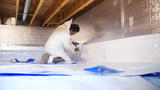
While support jacks can be adjusted with the ebb and flow of your home, it’s still vital to target the root cause of the warping in your home, which is likely excess moisture and exposure to the elements.
Installing wall vapor barriers and water management measures in your basement or fully encapsulating your crawl space can be the extra measure your home needs to avoid mold, condensation, and humidity attacking your home’s structure again.
Trust Ohio Basement Authority for Uneven Floor Repair
On top of structural repairs solving the immediate issue of your uneven floors in old house, structural repair experts at Ohio Basement Authority can help you decide on preventative measures like basement waterproofing or crawl space encapsulation. By layering repair and prevention options, you can ensure that your investment will give you many more years to come with your beautiful, historic home.
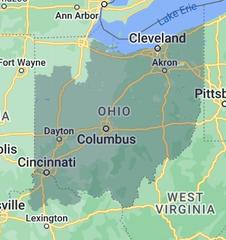
Contact us today to schedule a free inspection and repair estimate. Homeowners throughout Ohio trust our experienced team to repair and protect their homes. We’re eager to help you, too.
Uneven Floor FAQs
Multiple factors like foundation settlement, moisture in crawl spaces, and other structural issues can cause uneven floors. Accurate identification of the root cause is crucial for effective and lasting repair. Contact Ohio Basement Authority today for a free inspection and repair estimate.
The cost varies depending on the root cause, extent of damage, and chosen repair method. Ohio Basement Authority provides free, no-obligation estimates and offers flexible financing options to fit your budget. Contact us today to learn more.
The duration of the floor leveling process can vary depending on the extent of the issue and the specific solution required. Your Ohio Basement Authority inspector will provide a detailed timeline during the free inspection and planning stages.
Resources

Holly Richards-Purpura
Publish Date:
Last Modified Date:
Our Locations
429 Portage Blvd
Kent, OH 44240
1270 Hillsmith Dr.
Cincinnati, OH 45215
7950 Bavaria Rd.
Twinsburg, OH 44087
2421 McGaw Rd.
Obetz, OH 43207
70 Birch Alley, Suite 240
Beavercreek, OH, 45440
5650 Blazer Memorial Pkwy, #124
Dublin, OH 43017