
Why is My Basement Humid?: Causes & Solutions
Basements have a knack for getting wet and developing problems like high humidity. This is normal, especially in the summer when humidity is at its peak in Central and Southern Ohio.
The air gets musty, carpets develop stains, wood decays or rots, moisture droplets form on cool basement walls, and mold can easily develop. All these undesirable effects will impact the quality of life indoors.
You can avert these issues by taming moisture and resolving anything that elevates basement humidity. We’ll explore what causes basement humidity, how to control it, and how our team at Ohio Basement Authority can help with trusted basement waterproofing solutions.
What Causes Basement Humidity?
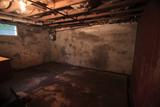
Basement humidity is a normal occurrence, so don’t agonize over it. The reason your basement gets wet or damp has to do with the fact that it lies below the ground.
Water can seep through, and moisture can build up gradually. Condensation should be your number one concern. It occurs when moist, warm air from the outside sweeps across cold surfaces. The result is moisture droplets that look like dew. You have to act fast to remedy it and other issues before they hurt your basement.
Here are other common ways moisture infiltrates your basement and leads to high humidity:
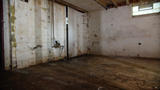
- Internal Leaks: Water pipes can leak, and ducts can let in moist air.
- Window & Air Leaks: Old basement windows can also let humid outside air into the basement. When warm air rises, it can induce a negative pressure on the basement and, in the process, draw up moist air through sump pits or other openings.
- Vapor Diffusion: Moisture can also move upward through porous foundation walls or floors as vapor and get into the drier parts of the basement. The amount of moisture that permeates depends on the porousness of the concrete and vapor pressure.
- Structural Cracks: Another way water gets into the basement is via wall cracks that form on the foundation blocks or masonry structures. Soil settling and poorly joined floor joists are the culprits.
- Capillary Suction: This occurs when moist or waterlogged soils come into contact with concrete mass or walls of your basement. Water is drawn in through small pores in the concrete. When this happens, rings of dampness will form on the basement walls. Capillary suction is greatest in clay soils.
What is the Ideal Basement Humidity?
For a healthy basement, the normal humidity level is between 40 and 60%. You can check the level with a hygrometer or humidistat.
Levels below 40% mean the air is too dry and can make it more difficult to breathe, especially in the winter.
When humidity levels soar above 60%, problems like condensation and mold growth will start to take hold.
8 Ways to Control Basement Humidity
Basement humidity shouldn’t cause you sleepless nights. As long as you know where it’s coming from, you can easily get rid of basement moisture.
Here are ways basement pros tackle the issue, as well as tips for what you can handle around your home yourself.
1. Seal Foundation Cracks
As long as the cracks remain unattended, you can be sure water vapor and even liquid water will pass through them and get to your basement. Caulking and other sealants are temporary, so it’s best to seek professional assistance. Our team may recommend foundation repair solutions if your walls are badly cracked and damaged.
2. Block Vapor Intrusion

An effective way to stop water vapor intrusion is with a basement wall vapor barrier. This thick and durable sheet, similar to swimming pool liner, is placed on basement walls to halt moisture and vapor. Any water from the walls automatically runs behind the water-resistant sheet and down into an interior drainage system.
3. Interior Water Management
Some times of the year, such as summer, are not entirely warm and dry. There’ll be the occasional rain that can raise the humidity levels in the basement. To stop water from entering and collecting on the basement floor, get an interior drainage system like our BasementGutter™. Combine it with a sump pump, and you’ll never have to worry about flooding. When water gets in, it will be pumped outside.
4. Dehumidification

Even if the basement appears dry, water vapor can linger in the atmosphere for days or weeks. Get a hygrometer and measure humidity levels. If it’s higher than 60%, get a professional basement dehumidifier with a self-draining mechanism. It will suck out the vapor from the air, leaving it dry.
5. Leave Windows Shut
Warm summertime air can make your basement hot and humid. Opening your basement windows won’t bring down the moisture levels. Instead, it will compound the problem. If you must open the windows, do so early in the morning or in the evening when the air is cooler. The reason is that cold air carries less moisture.
6. Avoid Garden Irrigation
Using a sprinkler to irrigate your garden means a lot of water ends up where it’s not wanted. Some of it may get to the foundation walls. When the soil around it gets saturated, you can be sure some of the water will be drawn up through cracks.
7. Maintain Gutters and Downspouts
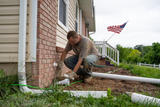
Clean, clog-free, functional gutters and downspouts can bolster your exterior waterproofing. Make sure your drainage system collects rainwater and channels it away from the perimeter of your home.
8. Properly Grade the Yard
How your yard slope affects basement dryness can heighten moisture levels or keep out water from the foundation. If your property has a negative grade, rainwater will flow down to and collect around your foundation. A positive grade, however, allows water to flow away from your home.
Let the Pros Help Control Your Indoor Humidity
If you’re worried about what humidity could do to your basement but don’t know where to start, don’t hesitate to reach out to our team at Ohio Basement Authority. Our basement humidity solutions, like our interior drainage and dehumidifiers, ensure you won’t have to worry about soaring moisture levels and their effects again.
Schedule a free basement waterproofing inspection with our experts and get a complimentary quote, plus solid recommendations to lock moisture out of the basement.

Holly Richards-Purpura
Publish Date:
Last Modified Date:
Our Locations
429 Portage Blvd
Kent, OH 44240
1270 Hillsmith Dr.
Cincinnati, OH 45215
7950 Bavaria Rd.
Twinsburg, OH 44087
2421 McGaw Rd.
Obetz, OH 43207
70 Birch Alley, Suite 240
Beavercreek, OH, 45440
5650 Blazer Memorial Pkwy, #124
Dublin, OH 43017