
5 Steps of Basement Sump Pump Installation
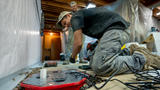
Many homeowners fear basement flooding, usually because their home is not equipped to handle excessive rain or water runoff. But you can rest easy when you invest in professional sump pump installation.
A sump pump is your first interior line of defense against rising water and basement leaks. Paired with other reliable basement waterproofing systems, this essential appliance removes water and ensures your home remains safe and dry.
This article explains the basement sump pump installation process and why it’s best to trust the pros for effective and lasting results.
Sump Pump Installation Steps
Ohio Basement Authority follows a meticulous sump pump installation process to ensure your basement remains dry and protected. Our Basement Sump Pump solution page provides a step-by-step list, but we highlight a few here:
Step 1: Placing the Sump Pump Liner
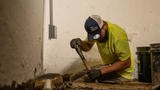
The first step is to excavate a pit for the sump pump liner and pump, ensuring the equipment is protected from mud and debris. The sump pit must be properly sized. If the pit is too small or too large, the pump wears out quickly due to excessive usage and drains unnecessary water, increasing energy and operational costs.
Ideally, the sump pump is placed in the lowest part of the basement to remove water efficiently. Our waterproofing specialist uses a level to find this low spot. If the ideal location isn’t feasible, we’ll install a PVC feed line from the lowest point to the pump.
Step 2: Installing a Perimeter Drain System
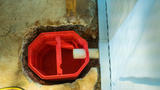
Pairing a robust sump pump with an interior drainage system is ideal. The process begins by using a jackhammer around the edges of the basement to create space for a layer of clean stone. The perimeter drain is placed on this layer and then covered with additional stone to fill it in.
This setup is designed to capture water from the cove joint (where the basement walls meet the floor) and from beneath the floor, funneling it all to the sump pump. Our BasementGutter™ system features a unique wall flange that captures any wall leaks. Next, a special outlet links the perimeter drain to the sump pump system, with clean gravel backfilled around the liner to prevent silt and sediment from entering.
Step 3: The Sump Pump Installation
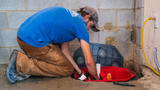
Next, the pumps and other internal components are placed inside the sump basin. This includes pump stands to elevate the pumps off the bottom of the liner, as well as necessary float and activation switches and pipes.
An airtight lid with rubber grommets for pipes and wires seals odors and humidity inside the sump pit, keeps out debris, and ensures safety by preventing accidental entry by animals or children.
Step 4: Attach Pipes & Ensure Proper Drainage

Once the equipment is in place, we attach interior discharge pipes and direct them through the basement wall. Exterior pipes are attached and directed to drain several feet from the house. These pipes can also be placed in the ground.
Frozen discharge pipes are often a concern for Ohio homeowners, and we have the perfect solution: our anti-freeze attachment that allows water from the sump pump to continue to drain.
Step 5: Floor Restoration & Finishing Touches
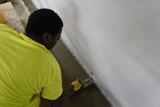
To complete the basement sump pump installation, the floor is restored flush for a clean, attractive look. Our system does not leave a gap around the perimeter of the basement floor, which can collect dust, debris, and other items that can clog your waterproofing system. This helps ensure better drainage and a more reliable system.
To allow for future testing or inspection, we install several ports in the perimeter drain, where a hose or dehumidifier drainage line can be inserted. This allows us to do better testing during annual checkups and sump pump maintenance.
Basement Waterproofing Solutions & Upgrades After Sump Pump Installation
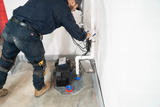
A basement sump pump is not a standalone solution. Think of it as the heart of your basement waterproofing system; it works best and provides comprehensive protection when paired with other solutions, including interior drainage, a wall vapor barrier, and a dehumidifier.
For added peace of mind, you can add a battery backup to your sump pump when you need it the most to ensure it removes copious amounts of water and continues to operate even during power outages.
Trust the Pros for Sump Pump Installation
As you can see, basement sump pump installation requires a lot of planning, expertise, and special tools and products. While some resources are available at hardware and big-box stores, DIY sump pump installation can become costly and time-consuming.
Don’t risk your safety; entrust sump pump installation, repair, or replacement to experienced professionals like Ohio Basement Authority. We have been servicing sump pumps throughout Ohio for many years, and we promise a thorough and efficient installation.
After we install your basement sump pump, you can take advantage of our annual maintenance program. We return each year to check the system and make any adjustments to ensure it’s in top shape.
Contact Ohio Basement Authority For Your Sump Pump Needs

A sump pump is an important part of your basement waterproofing system, and you don’t want to be without one when heavy rains roll in. Don’t worry whether you need sump pump repair because water leaked inside during a storm; protect your home with a system you can trust.
If you’re ready to waterproof your basement and install a sump pump, Ohio Basement Authority will assist you every step of the way. We provide free inspections and detailed quotes for sump pump installations to Ohio homeowners. Enhance your home’s safety and value by contacting us today!
Sump Pump Installation FAQs
We recommend adding a battery backup option to your sump pump system, especially if you’ve had problems with significant flooding and power outages. Our batteries ensure your sump pump continues to function during power loss. Contact Ohio Basement Authority for a free inspection to learn which sump pump system is right for your home.
A cover for your sump pump pit is extremely beneficial. It prevents debris from entering, reduces noise and odors, and improves safety, particularly in homes with young children or pets.
We do not recommend troubleshooting your sump pump system on your own. Sump pumps can be complex units comprised of delicate components. If there is a problem with your pump, contact Ohio Basement Authority for assistance, and a free inspection and estimate for repairs.
Related Resources


Holly Richards-Purpura
Publish Date:
Last Modified Date:

Our Locations
429 Portage Blvd
Kent, OH 44240
1270 Hillsmith Dr.
Cincinnati, OH 45215
7950 Bavaria Rd.
Twinsburg, OH 44087
2421 McGaw Rd.
Obetz, OH 43207
70 Birch Alley, Suite 240
Beavercreek, OH, 45440
5650 Blazer Memorial Pkwy, #124
Dublin, OH 43017