
9 Reasons Why Your Home Has Foundation Cracks
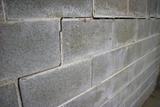
Foundation cracks are common in many homes. They appear along foundation walls, near windows and doorways, and where walls intersect.
Most cracks start small, then widen with time. The longer foundation cracks go unrepaired, the greater the risk of water infiltration, which can ultimately compromise the structural integrity of your home.
That’s why knowing what causes cracks and how to fix them is important. Learn about nine major reasons why your home has foundation cracks and how local foundation repair professionals can help you fix and protect your home for good.
Common Types of Foundation Cracks
First, let’s start by explaining the cracks you’ll likely see around your home.
Cracks manifest in various areas, including foundations, ceilings, floors, and walls. Understanding their nature and knowing when to seek expert help is crucial. Here are five foundation crack types and guidelines for determining if they need attention:
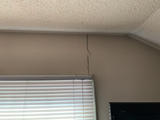
- Horizontal Cracks: These extend sideways and are often caused by water or soil exerting lateral pressure. They can lead to complications such as sagging support structures. Horizontal cracks tend to worsen over time, accompany wall bowing and may cause severe structural damage. Seek a professional inspection for early detection.
- Vertical Cracks: These run directly up and down, typically resulting from settling or soil shifts. Generally, vertical cracks aren’t concerning unless they exceed a quarter-inch in width. However, they should be observed for changes. If you notice widening or other foundation issues, consult an expert.
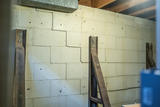
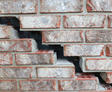
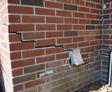
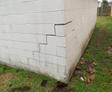
- Stair-Step Cracks: Forming a stair-step pattern, these cracks frequently result from uneven settling or foundation movement. As they may signify substantial problems, it’s advisable to have a foundation repair specialist conduct an inspection.
- Diagonal Cracks: Often indicative of structural issues and uneven weight distribution, diagonal cracks require professional evaluation to determine if they stem from settling or foundation instability.
Top 9 Sources of Foundation Cracks
External forces like the weather and soil are at the heart of the causes of foundation cracks and other damage, as well as the following:
1. Foundation Settlement
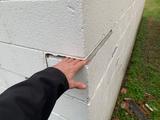
When building a home, you can expect the foundation to settle after a few years. Foundation settlement usually happens uniformly. However, there are times when the foundation experiences differential settlement, meaning it doesn’t sink at the same rate. This results in uneven portions, floors, cracks, and gaps. Homes built on poorly compacted soil are vulnerable as their tolerance level depends on the soil type and foundation design.
2. Earthquakes
Another reason cracks appear on the foundation is earthquakes. While major events are rare, Ohio does experience its share of earthquakes. Tremors and quakes happen when tectonic plates deep inside the earth move and collide. When this happens, they cause seismic waves that shake the ground. Such quakes can move the soil stratum on which your home is built, damaging your foundation.
3. Natural Curing
Cosmetic or hairline cracks commonly appear on concrete foundation walls. These new construction foundation cracks typically appear in newly built homes within two years. This type is generally non-threatening and usually occurs when the concrete dries or gives up moisture. You can quickly fix these hairline cracks using epoxy or cement.
4. Poor Grading and Drainage
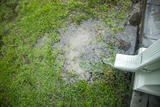
Improper grading and exterior drainage techniques affect the foundation. Clogged or damaged gutters and downspouts cannot drain water away from the home as they should. This also happens when the soil around your home slopes down and toward the foundation. That means water will flow back when it rains and not out as expected. Most of it will end up next to the foundation. This water will weaken the concrete foundation, causing cracks and leaks.
Regrading your yard and maintaining your gutters and downspouts will solve the problem.
5. Summer Heat
Extreme heat in the summer can also damage your foundation. The ground will heat up during the day, causing the concrete to expand. At night, the concrete will cool off and shrink back to its original position. This heating and cooling cycle will trigger cracks in your foundation.
6. Frost Heave
Heaving happens a lot in winter and has the potential to damage your concrete foundation. When the temperatures dip, the soil freezes and expands upward. This upheaval moves the ground on which the foundation is built, leading to cracks. The shifting soil can tilt floors or destabilize them. The level of damage increases as temperatures consistently fall below 40°F.
7. Expansive Soils
Some types of soils contain minerals like clay that absorb water. These soils expand when they come into contact with water and shrink when the weather warms up. The cycle of expansion and contraction can lead to structural deformities and cracks. The ground load, degree of soil saturation, and the thickness of the soil stratum determine the swelling potential of these soils.
8. Storms

Typical rainstorms produce a lot of water, which can wreak havoc. The excess water will cause the soil surrounding your home’s foundation to expand and push against the concrete. This upheaval causes the walls to buckle or crack. You can avoid this problem by creating proper drainage so water doesn’t pool whenever it rains.
9. Tree Roots
Water-seeking roots normally go far and wide, looking for water during summer. If there’s water under or around your foundation, these roots will snake through the soil and absorb the water. This causes the soil to shrink and settle, triggering cracks in the foundation. To avoid this problem, ensure trees and bushes are 10 to 20 feet away from your foundation and contact a landscaping professional for assistance.
How to Prevent Foundation Cracks
Averting foundation cracks is the primary safeguard against expensive repairs and possible structural harm. Take these proactive steps:
- Implement effective exterior drainage systems, including gutters and downspouts.
- Ensure your yard has appropriate grading and slope surrounding the foundation.
- Waterproof your basement with an interior drainage system and a sump pump.
Identifying issues early and taking preventive action helps preserve your foundation’s integrity and inhibits crack formation from the outset.
How to Repair Foundation Cracks
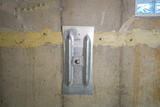
Crack repair can be challenging, but help from seasoned pros like Ohio Basement Authority guarantees a lasting solution. Follow these steps:
- Get frequent inspections for your foundation to spot possible issues early.
- Shore up cracking walls with carbon fiber supports, wall braces, or wall anchors.
- Reinforce and potentially lift settling foundations with foundation piers.
Trust Ohio Basement Authority to Repair & Protect Your Foundation
Foundation cracks don’t mean the end of your home. You can fix cracks in your foundation and restore the structural integrity of your home. It may be tempting to put their repair on the back burner, but they’ll only get worse, more dangerous, and more costly to fix. When you notice the first sign of trouble, act fast for professional inspections and repairs.
Contact the experts at Ohio Basement Authority today to schedule a free foundation inspection and repair quote. We can help you uncover the underlying problems that cause foundation cracks and fix them before they damage the most important part of your home.
Foundation Crack FAQs
Most repairs are completed within 1-2 days, with minimal disruption to your daily life. However, the duration varies depending on the wall damage and the repair method. Contact Ohio Basement Authority for a free inspection and timeline breakdown.
Costs vary based on several factors, including the severity of damage, necessary repair products, and if other repairs like waterproofing are needed. Contact Ohio Basement Authority today for an accurate assessment. We provide free inspections, transparent pricing, and flexible financing options.
Homeowner’s insurance typically does not cover foundation repair. A separate policy may help offset costs. Check with your insurance provider if you need clarification.
Related Resources

Holly Richards-Purpura
Publish Date:
Last Modified Date:
Our Locations
429 Portage Blvd
Kent, OH 44240
1270 Hillsmith Dr.
Cincinnati, OH 45215
7950 Bavaria Rd.
Twinsburg, OH 44087
2421 McGaw Rd.
Obetz, OH 43207
70 Birch Alley, Suite 240
Beavercreek, OH, 45440
5650 Blazer Memorial Pkwy, #124
Dublin, OH 43017