
Can You Finish a Damp Basement? Yes, But Waterproofing It Comes First!

Are you eager to create a fun basement space, but moisture keeps getting in the way? If you’re wondering if finishing a damp basement is possible, the answer is yes! However, it would be pointless to finish a basement without first protecting it from water intrusion.
Moisture leads to mold, water damage, and other problems that impact your basement’s health and safety. Ignoring these issues will cost you a lot in the long run.
A dry basement starts with proper waterproofing. Here’s what you need to know to protect your home before starting your basement finishing project.
What are the Signs of a Damp Basement?
Wet walls, water on the floor, and elevated humidity levels are telltale signs of damp basement problems. Recognizing the signs of dampness and water damage in your home is important. Dampness, structural issues, and pest infestations often coincide, despite having different causes. Key indicators of dampness include:
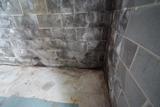
- Standing water
- Musty odors
- Increased humidity
- Condensation on windows, ducts, or pipes
- Mold growth
- Peeling wallpaper or bubbling paint
- Efflorescence on the floor or walls
- Water spots on the ceiling
Dampness in your home can lead to further damage and health issues, especially with certain molds. It often results from water penetration through concrete walls or floors. However, dampness may also stem from damage to your home, such as cracks, foundation issues, frost heave, or leaking windows. Addressing and repairing these underlying problems should be the immediate focus.
What Happens if You Finish a Basement Without Waterproofing It?
Not waterproofing a basement before finishing it can lead to serious problems, including structural damage and health risks, resulting in more costs and time. It’s vital to prioritize good waterproofing methods before finishing your basement. This will safeguard your investment and provide a secure, healthy space for the future.
Here are some consequences you might face if you finish your basement without waterproofing it:
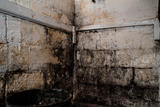
Mold and Mildew Growth
A basement is often damp and susceptible to moisture. Leaking water in a damp area creates the perfect conditions for mold and mildew. This affects air quality, causing breathing issues, and leads to structural damage.
Structural Damage
Water getting into your basement can gradually damage its structure. Leaking water can create cracks in the walls and floors, which can lead to foundation problems. Also, long-term exposure to moisture can make wooden support beams rot, jeopardizing the steadiness of your home’s foundation.
Health Hazards
A damp basement can lead to mold, mildew, and attract pests like termites and rodents. These pests can damage your property and create health risks. Excess moisture can also promote the growth of bacteria and other pathogens, increasing illness risk. Additionally, mold can spread and lead to poor air quality, asthma, allergies, and other respiratory illnesses.
Decreased Property Value
Water damage and mold in a finished basement can lower your home’s value. Potential buyers may be put off by the potential costs and health risks of a basement that hasn’t been waterproofed properly.
Damaged Belongings
Unaddressed leaks can ruin your valuables. Anything you have stored in your basement, from photos and mementos to furniture and high-end technology, may be rendered useless or a total loss if it comes into contact with water or mold.
What Do I Do If My Basement Is Wet?
Before you finish your basement, you’ve got to get the water and associated moisture out. Here’s how:
Dry the Area
If you have standing water, never attempt cleanup near electrical appliances; turn off the power and call an electrician to avoid electrocution. For other areas, remove moisture using towels, mops, fans, or a dehumidifier. Opening windows can help with ventilation, but if your basement frequently gets wet, contact a basement waterproofing professional like Ohio Basement Authority for permanent waterproofing solutions.
Clean and Inspect
Once dry, check for mold, mildew, and efflorescence (white, chalky residue). Wear proper protective gear, including gloves, a mask, and goggles, before cleaning. While you can use an antifungal cleaner to remove mold and mildew, and a mild etching solution or a wire brush to scrub away efflorescence, it’s best to rely on a mold remediation specialist for safe and effective removal.
Remove Old Paint or Sealants
Before waterproofing, strip away any old coatings using a wire brush, chemical stripper, or sandpaper. Always wear protective equipment, and if your home was painted before 1978, test for lead and hire a certified professional if needed.
Repair Cracks and Holes
Seal visible cracks or holes to stop leaks and reinforce weak areas. This quick repair prevents further water intrusion while you plan for a full waterproofing system. Depending on the damage, you may need to invest in foundation repair solutions to stabilize walls and prevent further issues.
Seal Windows and Doors
Cracks around basement windows and doors often go unnoticed but allow moisture inside. Remove old caulk and weather stripping, then apply fresh silicone caulk and replace worn materials to create a watertight seal.
How Do I Waterproof My Basement Before Finishing?
After implementing these immediate triage and preventative measures, it’s important to protect your basement with lasting waterproofing solutions. Ohio Basement Authority’s experienced team recommends systems tailored to your home’s needs following a thorough inspection. These include:
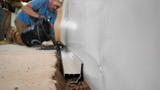
Interior Drainage
Placed throughout your basement’s perimeter, interior drains placed in the basement’s sub-floor catch leaks before they reach the rest of the basement, directing water to a sump pump system.
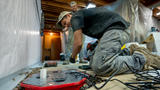
Sump Pumps
A sump pump, installed in the lowest part of the basement, is a central collection point for leaking water. Once the water reaches a certain level inside the sump basin, the pump activates and removes the water through discharge pipes.
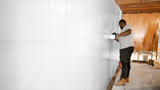
Wall Vapor Barriers
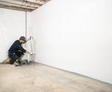
Moisture intrusion through porous concrete walls is a common concern, but a thick wall vapor barrier stops it from becoming a nuisance. If a wall leaks, water flows behind the moisture-resistant material and down to the interior drainage system in the floor.

Dehumidifiers
Elevated humidity is a significant contributor to moisture and water damage. Conventional dehumidifiers are not equipped to handle moisture effectively, but professional units are a perfect fit. An energy-efficient basement dehumidifier controls humidity levels, reduces mold, and improves indoor air quality.
While these solutions are customizable, they are designed to create a comprehensive basement waterproofing system, providing your home with the ultimate protection it deserves.
How to Finish a Damp Basement
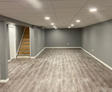
Finishing a damp basement, provided you address water issues, is a fantastic way to add valuable living space to your home and increase its overall functionality. Whether you’re looking to create a cozy family room, a home office, or a guest suite, the possibilities are endless.
Here’s a high-level look at how to finish your basement:
By following these steps and investing in proper waterproofing measures, you can successfully finish your basement and create a valuable extension of your home that you and your family can enjoy for years to come.
Ready to Repair Your Basement? Contact Ohio Basement Authority!
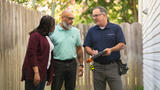
Before starting any finishing work, consider a professional assessment to identify any issues and explore recommended products and solutions for conversion. Hiring experts for complex tasks ensures that any underlying dampness or water intrusion is addressed, providing you with peace of mind and protecting your home.
With our trusted waterproofing and foundation repair services, we help protect your home’s safety, stability, and value long-term. Contact us today to schedule a free inspection and repair quote.
Basement Waterproofing and Finishing FAQs
Basement wall waterproofing should be performed before starting the finishing process. This preventative measure protects against moisture seepage, mold, mildew, and wood rot, ensuring your basement remains permanently dry and healthy.
Basement walls, insulation, and utility wiring should be completed first before finishing the floor. This ensures the space remains safe and dry. Our basement finishing experts will ensure building codes and laws are in place before beginning the process.
Some consider basement finishing a DIY project, but we don’t recommend it. Basement finishing requires specialized skills like electrical work, drywalling, and knowledge of your foundation to ensure a long-lasting and safely implemented result.
Related Resources


Holly Richards-Purpura
Publish Date:
Last Modified Date:
Our Locations
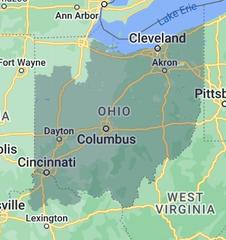
429 Portage Blvd
Kent, OH 44240
1270 Hillsmith Dr.
Cincinnati, OH 45215
7950 Bavaria Rd.
Twinsburg, OH 44087
2421 McGaw Rd.
Obetz, OH 43207
70 Birch Alley, Suite 240
Beavercreek, OH, 45440
5650 Blazer Memorial Pkwy, #124
Dublin, OH 43017